WHAT IS Mechanical Engineering ?
Mechanical engineering is one of the most dynamic and diverse branches of engineering, playing a crucial role in shaping the infrastructure and technology that drive modern society. It focuses on the design, analysis, manufacturing, and maintenance of mechanical systems, making it a core discipline that supports industries such as automotive, aerospace, construction, energy, and manufacturing. From designing engines and machines to developing advanced robotics and renewable energy systems, mechanical engineers are at the forefront of innovation. This field combines fundamental principles of physics, mathematics, and material science to solve real-world problems and improve efficiency in everyday life.A mechanical engineering course is designed to provide both theoretical knowledge and practical skills. Students typically study key subjects such as thermodynamics, which deals with heat and energy transfer; fluid mechanics, which focuses on the behavior of liquids and gases; and machine design, which involves creating mechanical components and systems. In addition, modern courses also include computer-aided design (CAD), automation, and robotics, ensuring that students stay updated with the latest technological advancements. Hands-on training, workshops, and industry projects are an essential part of the curriculum, helping learners gain real-world experience and build confidence in their skills.One of the biggest advantages of pursuing mechanical engineering is its wide range of career opportunities. Graduates can work in industries such as automobile manufacturing, power plants, construction companies, aerospace organizations, and even emerging sectors like renewable energy and electric vehicles. Job roles may include design engineer, production engineer, maintenance engineer, quality control engineer, and project manager. With experience and specialization, professionals can also move into research and development or start their own engineering ventures.
. History of Mechanical Engineering
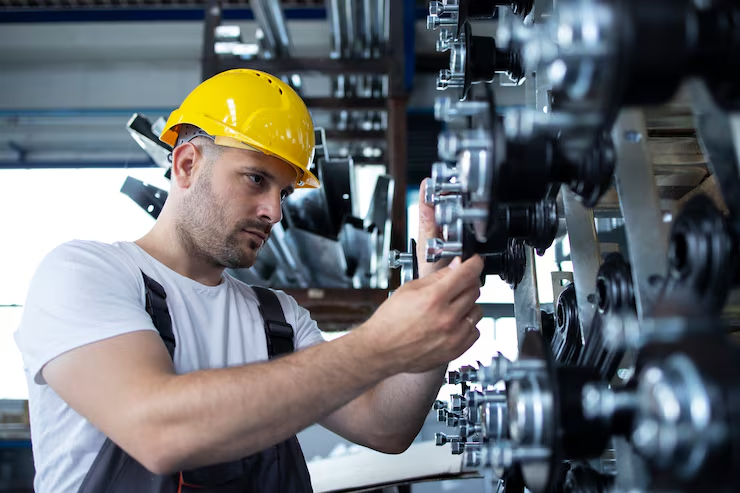
The history of mechanical engineering as a course is closely linked to the evolution of human civilization and technological progress. Its roots can be traced back to ancient times, when early inventions like the wheel, simple machines, and water-lifting devices laid the foundation for mechanical systems. Civilizations such as those in ancient Greece, Egypt, and China contributed significantly to early mechanical concepts, with inventors developing tools and machines to improve agriculture, construction, and transportation. However, mechanical engineering began to take a more structured form during the Industrial Revolution in the 18th and 19th centuries, when the demand for machines, engines, and manufacturing systems increased rapidly.During the Industrial Revolution, innovations like the steam engine, developed and improved by engineers such as James Watt, transformed industries and created a need for formally trained professionals. This period marked the transition of mechanical engineering from practical craftsmanship to a scientific and academic discipline. Universities and technical institutions in Europe and later in other parts of the world began introducing mechanical engineering as a formal course, focusing on subjects like mechanics, thermodynamics, and machine design.In the 20th century, the course evolved further with the advancement of technology. The introduction of electricity, automobiles, aircraft, and manufacturing systems expanded the scope of mechanical engineering education. Institutions started incorporating laboratory work, workshops, and practical training to bridge the gap between theory and real-world application. With the rise of computers in the late 20th and early 21st centuries, modern courses began including computer-aided design (CAD), automation, and robotics.
. Education of Mechanical Engineering
Mechanical engineering education is designed to build a strong foundation in both theoretical knowledge and practical skills, preparing students to become innovative problem-solvers in a wide range of industries. It focuses on core engineering principles such as mechanics, thermodynamics, fluid dynamics, and material science, which help students understand how machines and mechanical systems work. Along with these fundamentals, modern mechanical engineering education also emphasizes the use of advanced tools and technologies like computer-aided design (CAD), computer-aided manufacturing (CAM), and automation systems, ensuring that students stay aligned with current industry standards.A well-structured mechanical engineering program goes beyond classroom learning by integrating hands-on training, laboratory experiments, and real-world projects. Students are encouraged to work on machine design, manufacturing processes, and system analysis, which enhances their technical abilities and critical thinking skills. Workshops and industrial training play a key role in helping learners gain practical exposure, understand workplace environments, and apply their knowledge to solve real-life engineering challenges. This balance between theory and practice is essential in shaping competent and job-ready engineers.In addition to technical expertise, mechanical engineering education also focuses on developing soft skills such as teamwork, communication, and project management. Engineers often work in collaborative environments, and these skills are crucial for successfully handling projects and interacting with clients and teams. Many institutions also include internships, industry visits, and guest lectures by professionals to give students insights into the latest trends and expectations of the engineering sector.
. Courses
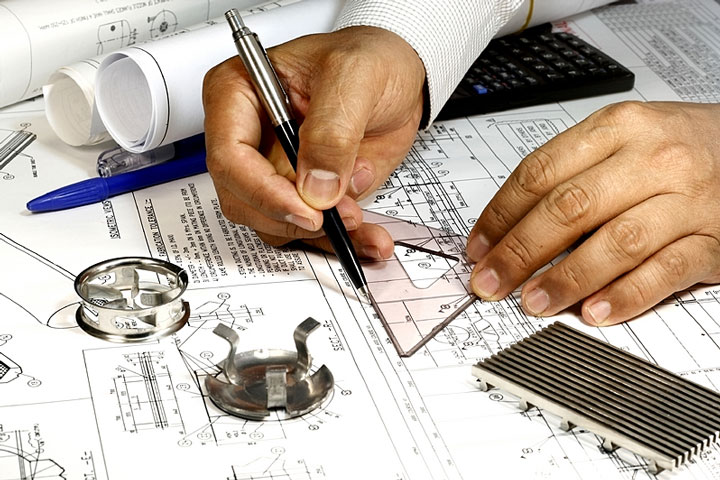
Standards set by each country’s accreditation society are intended to provide uniformity in fundamental subject material, promote competence among graduating engineers, and to maintain confidence in the engineering profession as a whole.
. Engineering Mathematics
. Engineering Physics
. Engineering Drawing
. Basic Mechanical Engineering
. Fluid Mechanics
. Strength of Materials
. Theory of Machines
. Machine Design
. Heat Transfer
. Engineering Mechanics
. Practical & Training Modules
. Engineering Workshop Practice
. Internship / Industrial Training
. Final Year Project
. Future of Mechanical Engineering
The future for mechanical engineering students is full of exciting opportunities as industries continue to evolve with new technologies. With the rise of automation, robotics, electric vehicles, and renewable energy, mechanical engineers are in high demand across various sectors. Students who develop skills in modern tools like CAD, AI-based systems, and smart manufacturing will have a strong advantage in the job market. Additionally, the focus on sustainable solutions is creating new career paths in green energy and eco-friendly design. Overall, mechanical engineering offers a stable, innovative, and growth-oriented future for students willing to adapt and learn continuously.
. job Duties
. Design Engineer – Creates and develops mechanical components, machines, and systems using design software and technical knowledge.
. Production Engineer – Manages manufacturing processes, ensuring efficient production and quality output.
. Maintenance Engineer – Responsible for the upkeep, repair, and smooth functioning of machinery and equipment.
. Quality Control Engineer – Ensures products meet industry standards and quality specifications.
. Project Engineer – Plans, manages, and executes engineering projects within deadlines and budgets.
. Automobile Engineer – Works on vehicle design, development, and performance improvement.
. HVAC Engineer – Designs and maintains heating, ventilation, and air conditioning systems.
. Robotics Engineer – Develops automated systems and robotic technologies for modern industries.
. Energy Engineer – Focuses on energy efficiency and renewable energy solutions.
. Salary
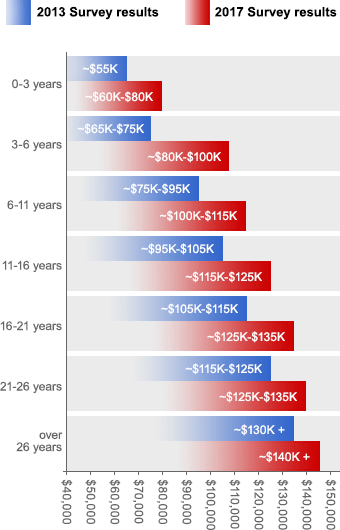
Mechanical Engineering Salary Points (Start to End)
. Fresher (0–1 Year) – ₹2.0 LPA to ₹4.5 LPA (₹15,000–₹30,000/month)
. Junior Engineer (1–3 Years) – ₹3.0 LPA to ₹6.0 LPA
. Mid-Level Engineer (3–7 Years) – ₹5.0 LPA to ₹10.0 LPA
. Senior Engineer (7–12 Years) – ₹8.0 LPA to ₹18.0 LPA
. Expert / Manager Level (12+ Years) – ₹15.0 LPA to ₹30.0 LPA+
. Areas where to learn
Top Locations in Punjab for Mechanical Engineering
. Ropar (Rupnagar) – Known for top national-level institute
. Chandigarh / Mohali – Major education hub with many colleges
. Jalandhar – Popular for government engineering institutes
. Patiala – Home to reputed private universities
. Amritsar – Growing center for technical education
. Ludhiana – Industrial city with engineering focus
. Sangrur / Hoshiarpur – Good options for diploma & degree colleges
👉 Punjab has 100+ Mechanical Engineering colleges across different cities, including both private and government institutes.
. Who can join ?
1. What is Mechanical Engineering?
Mechanical Engineering is a branch of engineering that deals with the design, development, manufacturing, and maintenance of machines and mechanical systems.
2. What subjects are included in Mechanical Engineering?
Key subjects include Thermodynamics, Fluid Mechanics, Machine Design, Manufacturing Processes, Engineering Mechanics, and CAD (Computer-Aided Design).
3. What are the eligibility criteria for Mechanical Engineering courses?
Students must complete 10+2 with Physics, Chemistry, and Mathematics (PCM). For diploma courses, 10th pass students can also apply.
4. What is the duration of Mechanical Engineering courses? Diploma: 3 years B.Tech/BE: 4 years M.Tech: 2 years.
5. What skills are required to become a Mechanical Engineer?
Problem-solving skills, technical knowledge, creativity, analytical thinking, and basic computer skills like CAD software.
Leave a Reply